Navigating the Journey: Empowering Wellness and Awareness in Oncology
In the world of oncology, where the stakes can be incredibly high, understanding the ins and outs of carcinoma is paramount for both patients and their families. Imagine standing in a doctor's office, your heart racing as the words 'malignancy' and 'tumor' are mentioned. In that moment, it can feel as if your world is turned upside down. But what if instead of fear, you could embrace empowerment through knowledge? That's where the importance of awareness campaigns, education, and patient advocacy steps in, providing you the tools to navigate such a life-altering journey.
Carcinoma, one of the most prevalent types of cancer, can manifest in various forms. From skin and lung to breast and colon cancers, understanding its different faces is crucial. Awareness campaigns play a vital role in educating the public about these illnesses, demystifying the complexities of treatment options available with improved communication and advocacy. Remember the saying, "Knowledge is power"? When patients are informed, they can make more educated decisions about their healthcare, treatment plans, and integrative medicine approaches. Wouldn't it be comforting to know you are taking control of your health?
As we delve deeper into the world of oncology, we must not forget the significance of survivor stories. These narratives, often filled with struggle and resilience, serve as powerful reminders that healing is possible. They shine a light on the potential of lifestyle changes and community resources that support health and wellness. Listening to what past patients have experienced can inspire current patients, showing them that they are not alone in this fight against carcinoma. What can we learn from their journeys that might aid in our own?
Moreover, the role of clinical trials cannot be overstated. Engaging with ongoing medical research not only opens up new horizons regarding therapeutics but also offers a lifeline to patients seeking cutting-edge treatments. Every new trial brings hope and potential breakthrough in the fight against malignant tumors. Have you considered becoming part of a clinical trial? It might just be the key to unlocking new treatment pathways on your path to wellness.
Lastly, support groups are an invaluable resource when it comes to symptom management and emotional healing. Emotional health is just as important as physical health during treatment, and connecting with others who are on a similar journey can provide a sense of belonging and understanding. These groups foster discussions surrounding not just the medical aspects of cancer but also the emotional challenges. When you feel seen and heard, you tap into a wellspring of strength that propels you through difficult days. How can we support others navigating their cancer journey? Together, we can build a community that uplifts and empowers everyone facing the trials of oncology.
Integrative Approaches to Healing: Navigating Treatment Options and Wellness in Oncology
In the vast and often overwhelming world of oncology, many individuals and their families find themselves navigating a complex maze of treatment options and wellness strategies. Oncologists, while armed with extensive medical knowledge, can sometimes overlook the importance of patient-centered approaches that incorporate emotional and holistic healing. This is where integrative medicine enters the picture—an innovative way to blend conventional medical research with complementary therapies for a comprehensive treatment experience. Could integrating mindfulness practices, nutritional adjustments, and supportive care really make a difference in navigating a cancer diagnosis? Let's explore this transformative journey together.
Picture this: you or a loved one receives the daunting news of a carcinogenic diagnosis. As thoughts race through your mind—worries about the malignancy, fears about the future—it's easy to feel isolated and bewildered. But what if I told you that amidst this chaos, there exists a community of support built upon survivor stories and patient advocacy? With healthcare shifting towards a more holistic view, integrating lifestyle changes and community resources can empower individuals to take control of their health. When was the last time you felt empowered in your healthcare journey?
Integrative approaches consider the whole person—not just their tumor, but their spirit, emotional health, and quality of life. By exploring various treatment options, individuals can participate in clinical trials that test cutting-edge therapeutics or find solace in a support group that understands their experiences. Each story shares the threads of hope and resilience woven by those who have walked the path before us. As we celebrate those narratives, we simultaneously raise awareness through community education and campaigns, encouraging others to consider alternative therapies alongside their medical treatment. Isn’t it inspiring to think about the strength found in shared experiences?
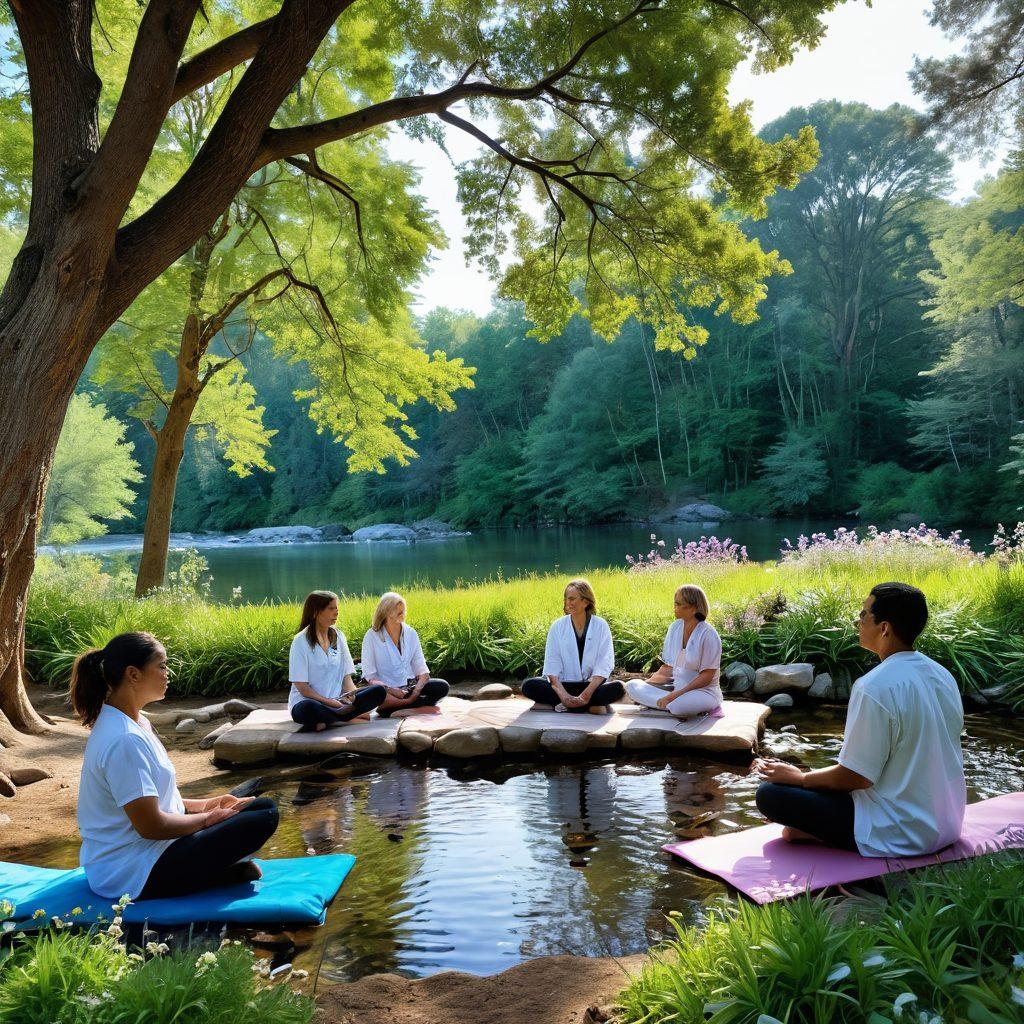
Imagine incorporating symptom management techniques such as yoga, meditation, or acupuncture alongside traditional chemotherapy regimens. Research increasingly shows that these integrative approaches can enhance wellness during treatment and beyond. They can manage fatigue, alleviate pain, and even help improve mood—a crucial aspect in overcoming the emotional toll of cancer treatment. It's a reminder that healing can transcend the physical realm and reach into our psychological well-being. Have you thought about how such practices could uplift your spirit during tough times?
Now, as we navigate the multifaceted landscape of oncology care, consider this: the journey is unique for every individual grappling with illness. Acknowledging the role of integrative medicine is crucial in fostering a patient-centered approach to oncology. Whether it’s embracing lifestyle changes, participating in awareness campaigns, or accessing community resources, empowering wellness in our lives post-diagnosis can illuminate the path to healing. The journey is not merely about surviving—it's about thriving. Will you join the movement towards comprehensive wellness in oncology?
Survivor Stories and Support: The Role of Community Resources in Tumor Management
In the realm of oncology, where the diagnosis of carcinoma can feel like a tempest, survivor stories emerge as beacons of hope. Each tale unfolds a unique journey through the corridors of healthcare and medical research, offering invaluable insights into personal resilience and community support. As we delve into these powerful narratives, we discover not only the challenges faced by survivors battling malignancy but also the profound impact of community resources in tumor management. What role does support play in this journey, and how can we harness it to empower others through their own healing?
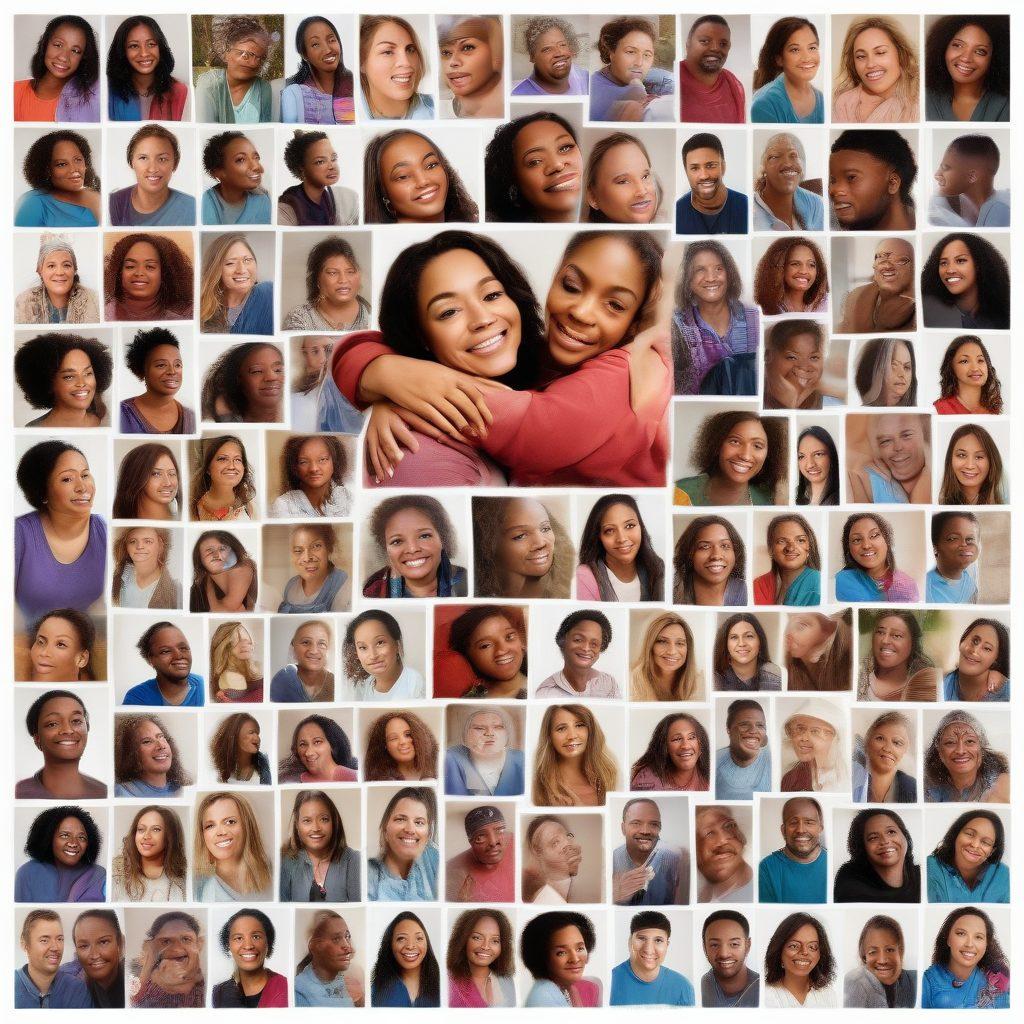
Support groups for cancer survivors are often described as lifelines, weaving connections among individuals who share a common struggle. Imagine walking into a room where everyone understands the unspoken fears that come with tumors and treatment options. The shared experiences encourage discussions about symptom management and lifestyle changes that promote wellness and longevity. Survivors often share, "I found my voice in the support group, and it ignited a fire within me to advocate for others." This communal bond not only fosters healing but also builds a network of education and advocacy—key components in raising awareness about the need for effective therapeutics and integrative medicine in the fight against cancer.
One important aspect of contemporary tumor management is patient advocacy. Survivors often become advocates, using their experiences to influence awareness campaigns and engage in medical research. They participate in clinical trials, pushing the boundaries of what is known and possible in oncology. With each study, they contribute to the ever-expanding body of knowledge that shapes future treatment options. Their resolve transforms personal hardship into communal victories; isn't it inspiring how one person's pain can become a source of strength for many?
Moreover, survivor stories remind us that the journey through malignancy is not just about enduring treatment but also about celebrating milestones—be it a clean scan or simply a day spent without pain. The healing process is nuanced, and community resources play a significant role in this journey. These resources, ranging from integrative medicine practices to educational workshops, empower survivors to reclaim their lives fully. They advocate for themselves and others by utilizing every tool at their disposal to enhance their well-being and quality of life.
As we reflect on these survivor stories and the vital role of community support in oncology, let us challenge ourselves: How can we amplify these voices and become conduits for healing in our communities? Whether through sharing stories, participating in support groups, or advocating for patient rights, we all have a part to play in the tapestry of survivorship. These efforts not only foster awareness but also transform perceptions about malignancy and recovery, highlighting that every story can lead to greater understanding and empowerment in the journey of health.